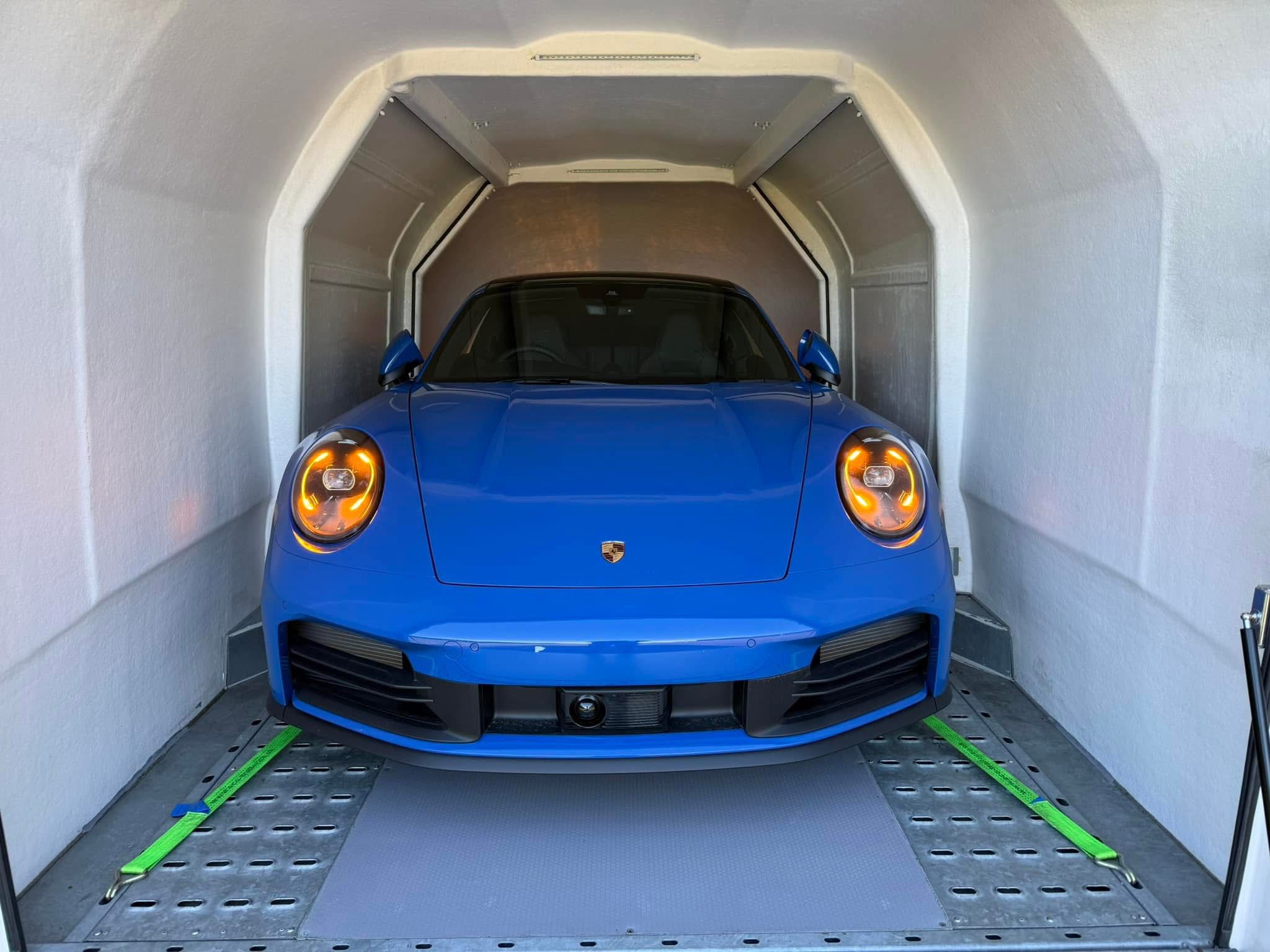
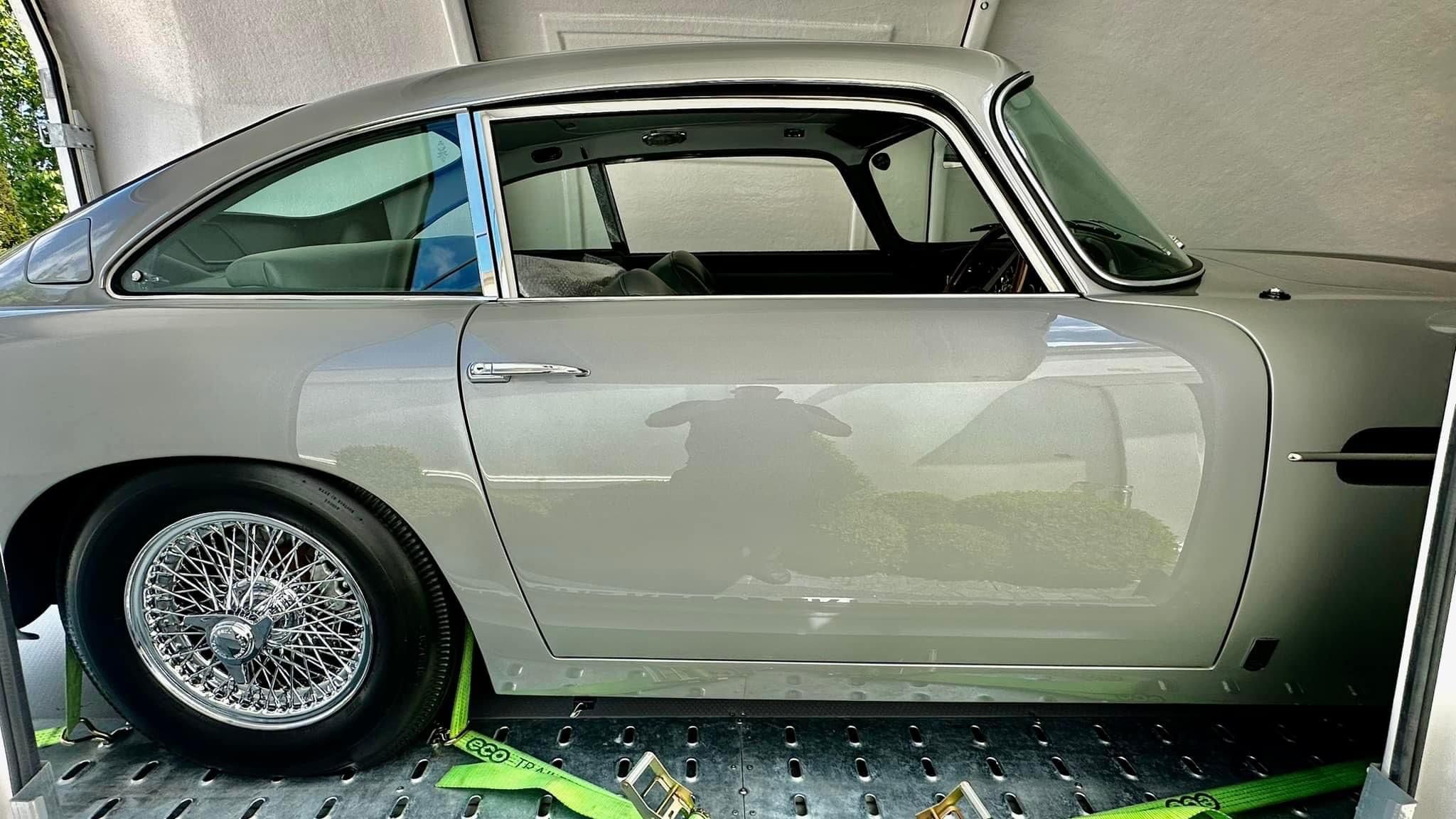
When transporting a valuable vehicle (be it a cherished vintage car, race car or high-powered supercar) ensuring it’s safely secured inside your trailer is absolutely essential.
At Eco-Trailer, we design enclosed car transporters with both vehicle protection and ease of use in mind. However, even with the best trailer in the world, poor loading or strapping can lead to damage or even accidents on the road.
In this guide, we’ll walk you through the best practices for safely loading your car into your trailer and explore the pros and cons of the different strapping methods used. Whether you’re using traditional choker-style straps or a punch deck system with over-wheel ratchet straps, getting it right is key to safe and stress-free transport.
1. Loading Your Vehicle Safely
Most enclosed car trailers – like the models manufactured by Eco-Trailer Limited – are fitted with a tilting trailer bed. This gives you a much shallower loading angle, which is ideal for low-clearance vehicles.
You have two options when loading:
Drive-in loading: Great for running vehicles with good access. Err on the side of caution; always go slow and use a spotter if visibility is limited.
Winch loading: The safer choice for non-running vehicles, or when space is tight. Winching gives you greater control and reduces the risk of damage.
Tip: Stay clear of the winch line while in use and avoid sudden movements. Safety first!
For additional advice on winching options, head over to our article “Manual vs Electric Winches” which covers everything you need to know, along with advice on the type of cable to use.
2. Getting the Nose Weight Right
Before you even think about tying the car down, it’s crucial to get the positioning right inside the trailer. Correct placement ensures the weight is distributed evenly, which helps with stable towing and reduces strain on both your trailer and tow vehicle.
Here are a few things to bear in mind:
Align centrally: Make sure the car is as central as possible within the trailer’s width. This prevents uneven tyre wear and ensures balanced handling while towing.
Centre the weight: Aim to place the car’s weight slightly forward of the trailer’s axle to achieve the correct nose weight. Too much weight at the back can cause instability, while too much at the front can overload the tow hitch. Adjust your car’s position until the nose weight is between 70-120kg, as a general guide (subject to the maximum limits of your towing vehicle and tow bar).
Mark the front wheel location: Once you’re happy with the balance, this will allow you to install a wheel chock at that spot for repeatable, perfectly balanced loading every time.
Eco-Trailer offers a range of wheel chocking solutions, including both fixed chocks and telescopic wheel chock bars, allowing you to securely position a wide variety of vehicles.
3. Strapping Down: Why It Matters
Once the vehicle is correctly positioned, the next step is securing it properly. A car that isn’t firmly strapped can shift during transit, which could damage the vehicle or make the trailer unstable.
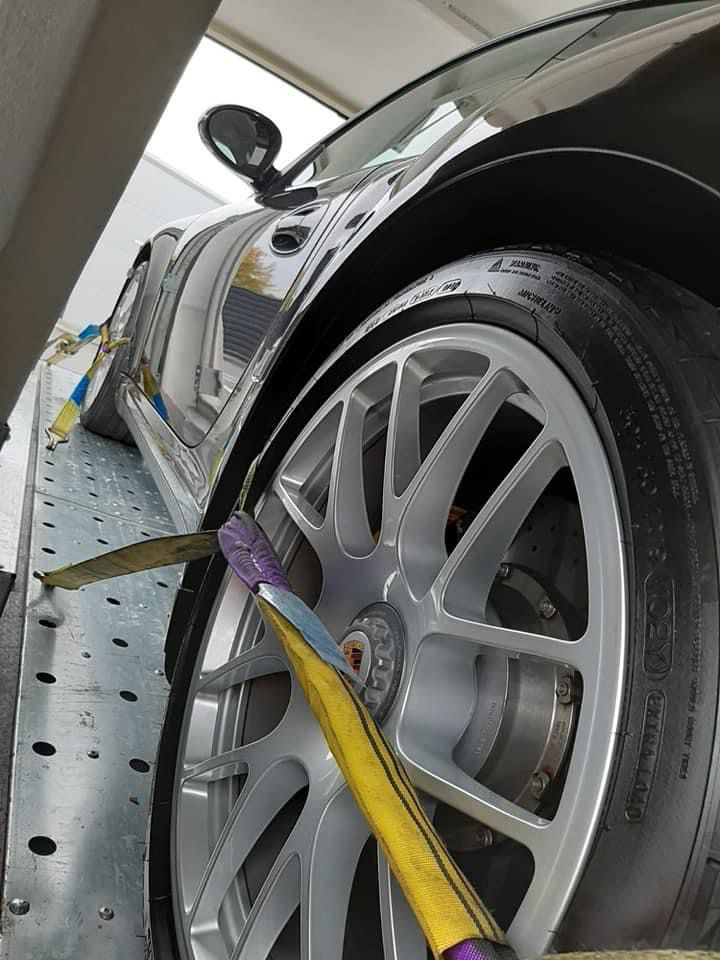
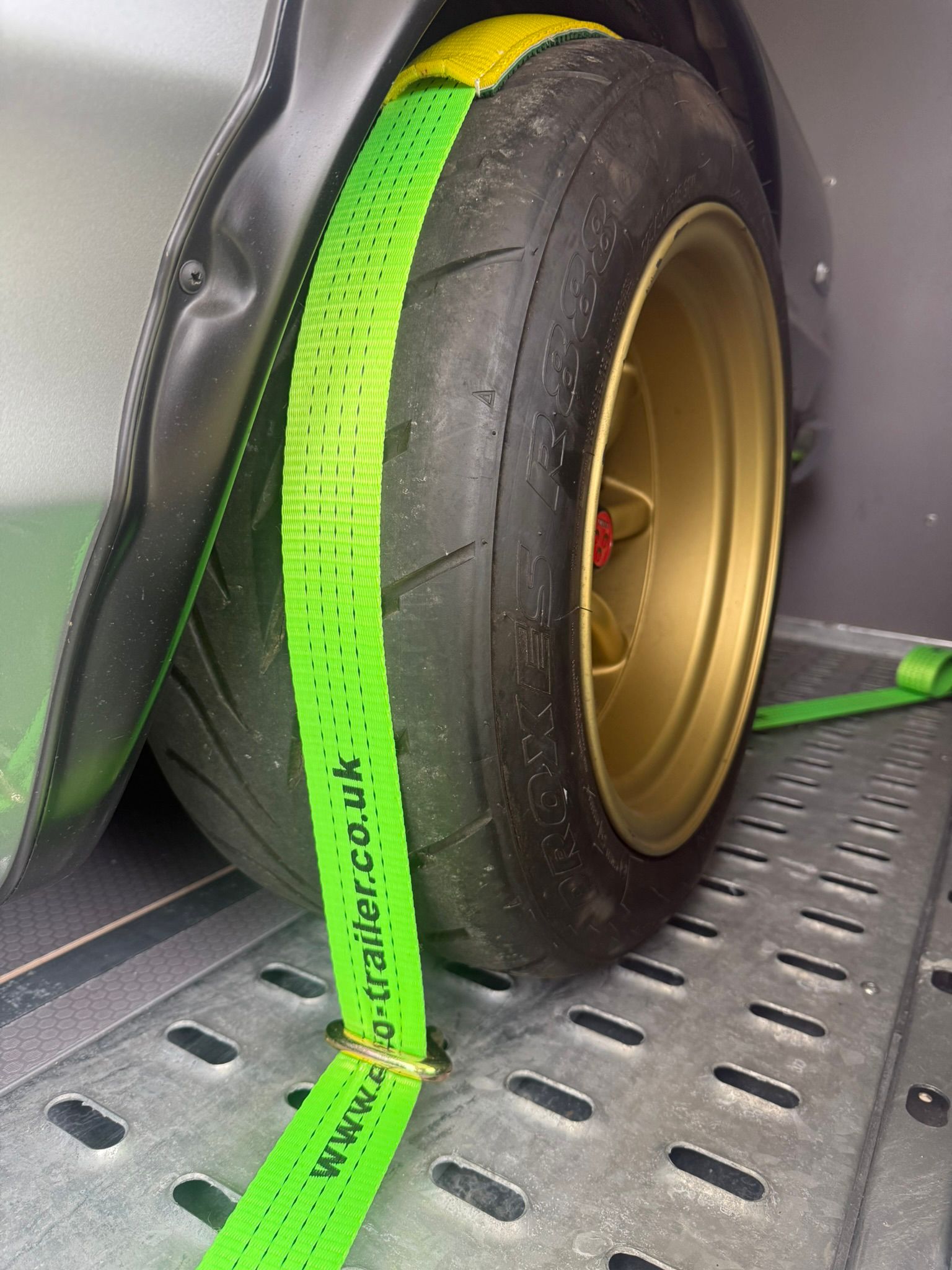
There are two common strapping methods used in enclosed trailers: choker-style wheel straps and over-wheel straps used with a punch deck floor system. Both can be effective if used correctly, but they have different advantages depending on your setup and preferences.